 It seems so appropriate that we are on “Baby Watch” this close to Christmas. My son and daughter-in-law are expecting their first baby and he’s due to arrive December 14th…or thereabouts. This will be our third grandbaby and as I have said to anyone who asks, “Grandchildren are probably the main reason we have children in the first place!” Yep, I’m one of THOSE grandmas!!
When Jaxon was born in 2011, I had no idea that my mother’s heart could grow two sizes bigger. But it did. When Kharis was born in 2013, my heart kept expanding too! I knew I was crazy in love with each one of my three children, but I did not know the capacity of love until I held my first grandbaby in my arms for the first time. In a few weeks, I will hold another blessed grandson and my heart will stretch even wider. It’s just the way God made grandmothers I guess.
My son and daughter-in-law are busy “nesting”, and they have been outfitted with everything they might need to welcome their new son home. Between generous friends and family who have passed along items, or contributed to baby showers and – spoiler alert – more gifts under the Christmas tree for them this year, they will want for little. My son, bless his heart, asked for a video game for his birthday last week and we indulged him. I didn’t have the heart to tell him his video-game-playing days are numbered now. He’ll learn soon enough, and knowing my boy, he’ll be totally okay with the new shift in priorities. He’ll make a good father.
But it won’t be easy.
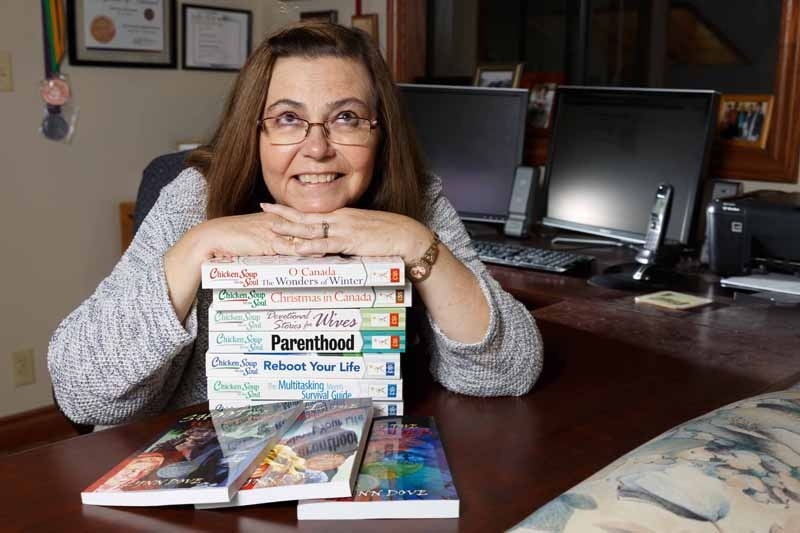
Even with all the books on Parenting written, the countless Pinterest Pins on the subject, and the unsolicited and solicited advice from family members, there is not a precise manual that will educate parents well-enough to raise a child properly from birth to adulthood…save ONE of course.
The Holy Bible.
If you wonder what to get a young, expectant couple for a shower gift…give them a new Bible! It was and has been my first and favoured parenting manual and the pages are dog-eared from over-use. No, it may not be specific on what to do when it comes to managing a colicky baby or how to best potty-train a child, but it soooo ministered to me as I went through those ordeals with my babies. Countless passages on patience, love, gratitude, and humility I claimed whenever I needed help to better parent my child.
When I felt defeated and discouraged at the end of the day because of strong-willed children, I found peace and encouragement in scripture. When my children came home crying from being bullied or hurt, my mother’s heart ached for them and I found the words to comfort them through the Word.
When I was weary, I found strength.
When I felt upset and rattled by the task of parenting, I found the pep-talks I needed in the Bible.
As we welcome our next precious grandbaby into the Dove family, I know if my son and daughter-in-law stay immersed in the greatest parenting manual ever written, the Holy Bible, they’ll be okay.
Yes, there will be some long days and nights ahead…
But, they’ll be okay.
 Am I the only one who thinks it is self-serving when sports teams or athletes pray for victory before their game or event? I’m not saying it’s a bad thing, I’m just wondering what happens to their faith if they have prayed and then God doesn’t answer their prayer for victory? Does God have a favourite sports team that He blesses with victories over another? Does God decide the outcome of a game based on the fervent prayers of players? Does one team praise God when they win, or curse God when they lose? Just asking…?






 Lynn Dove's Journey Thoughts